




Inference
Local & Cloud AI
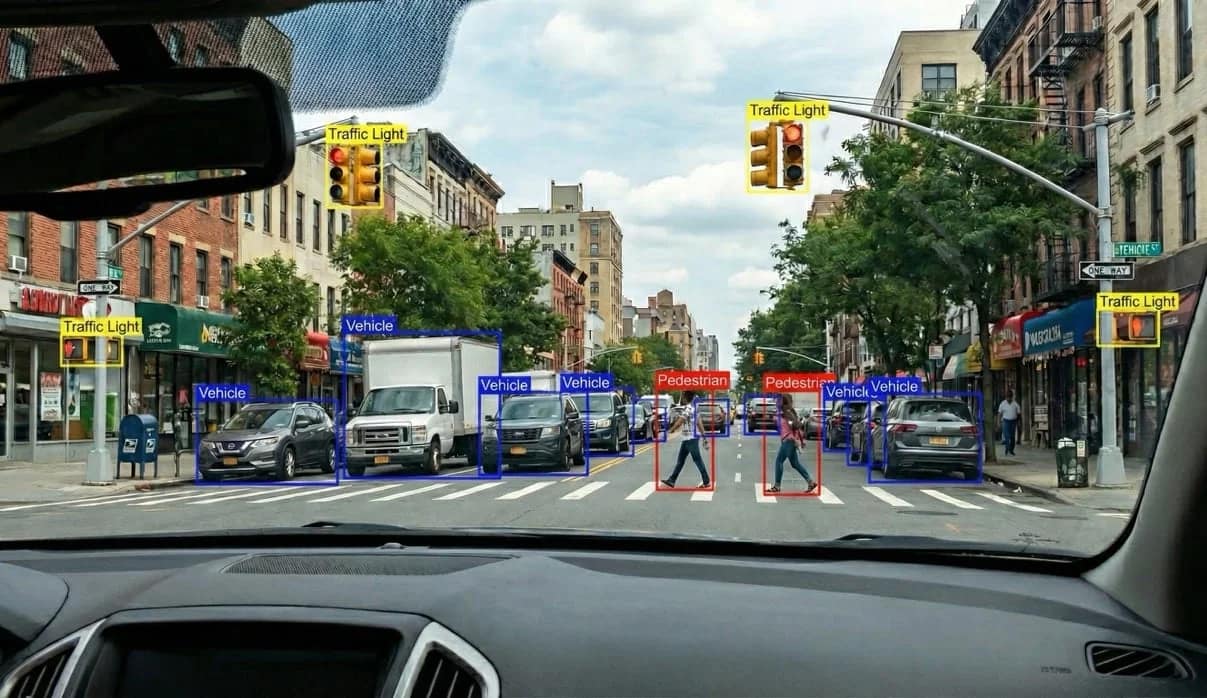
Run local inference or switch to cloud GPUs.
Inference, export, permissions, and training stay in the same workspace.
Inference
Run local inference or switch to cloud GPUs.
Exports
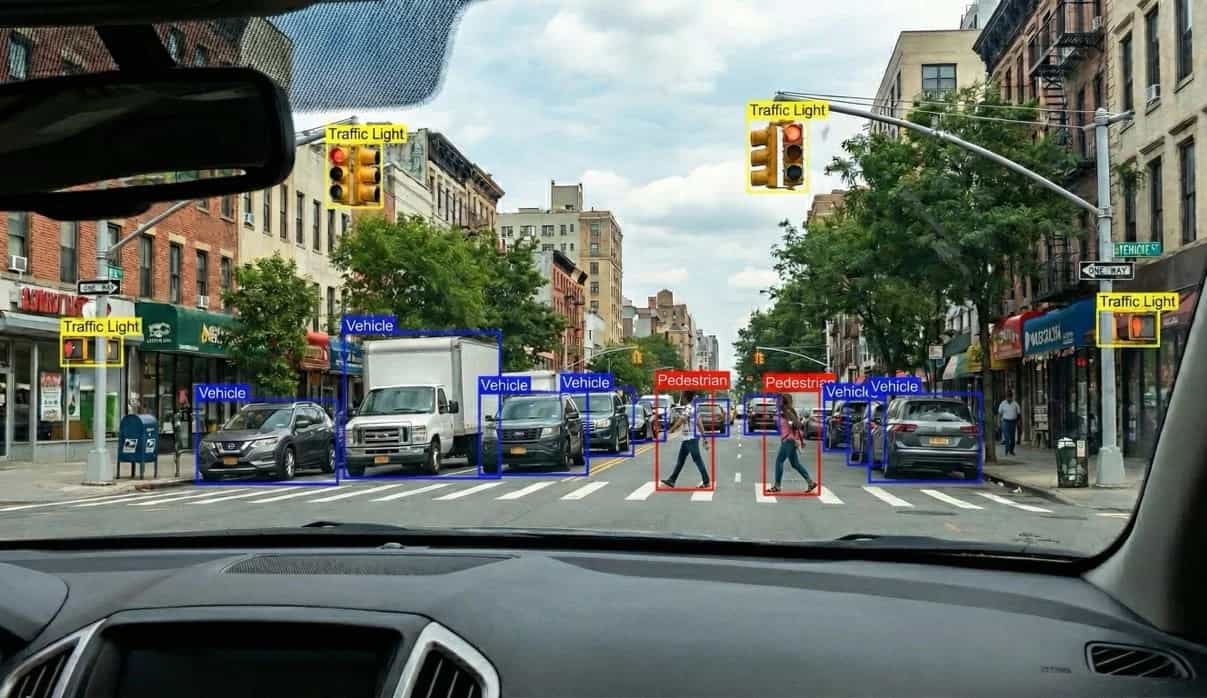
Export in common formats without a side pipeline.
Workflow
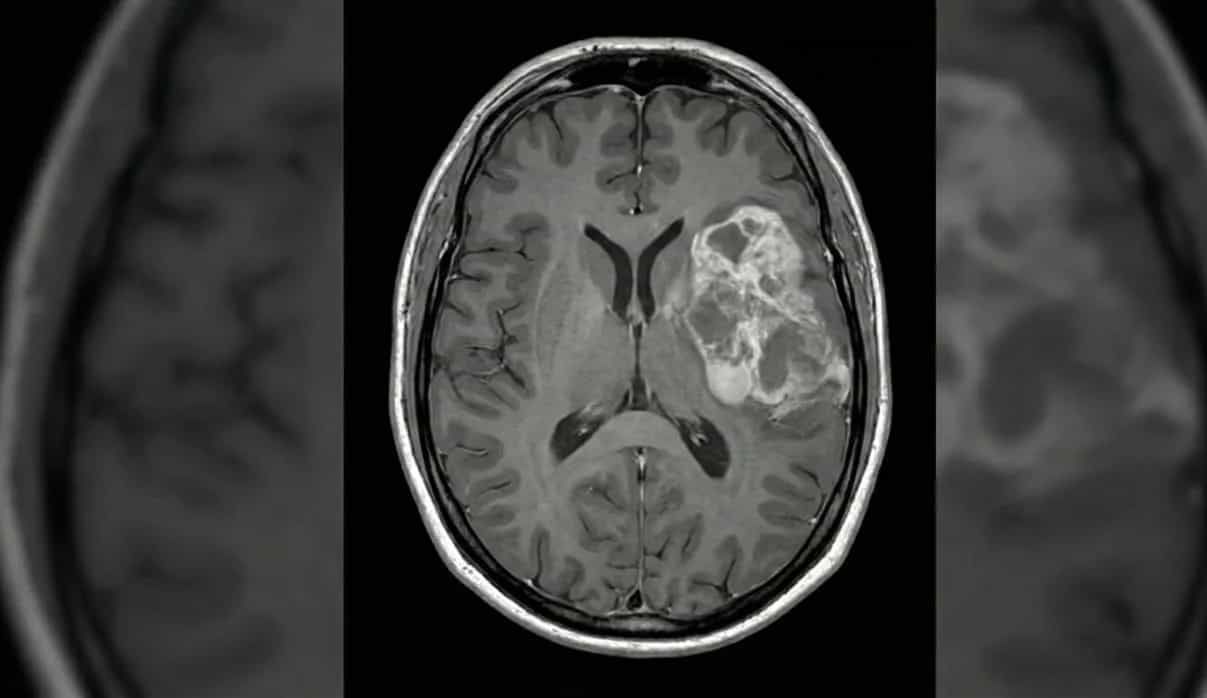
Move from labeling to training in one flow.
Controls
Roles, audit logs, and team control per project.
LabelOp offers both cloud and local AI models. Local models work offline, process data on-device, and support batch processing across entire datasets.
Yes. Our batch processing feature lets you run AI models across entire datasets or selected image ranges. Choose from cloud or local models, monitor progress in real-time, and automatically create annotations from predictions with configurable confidence thresholds. Batch processing respects your project's label structure and can process thousands of images efficiently. Results are saved incrementally, so you can pause and resume long-running jobs.
Create assignments for individual images or image ranges, set priorities (low, medium, high, urgent), add due dates and instructions, and track completion status. Assignees see their tasks in a dedicated queue with filters for status, priority, and project. Project owners and reviewers can monitor assignment progress, view annotator performance metrics, and reassign tasks as needed. All annotations are linked to their assignments for easy tracking.
Invite teammates with owner, reviewer, or annotator roles, assign tasks, and filter queues by status, split, or assignee. Audit logs and review workflows help teams protect quality while scaling annotation work. Team members receive email invitations, and project owners can manage permissions, view activity logs, and coordinate workflows through the project dashboard.
Yes. LabelOp provides on-demand GPU access for model training. Browse available GPUs by location, price, VRAM, and performance metrics, then upload your training script and configure train/validation/test splits. Monitor training progress in real-time, view loss curves and accuracy metrics, pause or cancel jobs, and download trained models. Training costs are calculated based on GPU hourly rates and actual usage.
Create named dataset version snapshots from the project team area, compare two versions to see what changed, and rely on audit logs for traceability. Snapshots capture annotation state so you can align training releases with a specific checkpoint.
Export to COCO JSON, YOLO, Pascal VOC XML, LabelMe JSON, CSV, TSV, CVAT XML, or JSONL in a single click. Exports preserve annotation metadata, confidence scores, and creator information. You can filter exports by label, split, annotator, or date range.
We never train our models on customer uploads, and every dataset is encrypted in transit and at rest. Your data is stored in secure cloud storage with access controls, and you can use local models for complete privacy when needed.
LabelOp is optimized for datasets with thousands to millions of images. Images are served through CDN for fast global access. Batch processing and local models can handle large-scale annotation workflows. For GPU training, we support datasets of any size through cloud storage integration. Project performance metrics help you identify bottlenecks and optimize workflows.
Yes. We reserve GPU credits for academic and non-profit teams that need experiments without standing up their own infrastructure. Academic users can also request support and research-specific workflow help. Contact support with your institution details and project description to apply.